SMED Training

ENQUIRE NOW

Reduce changeover time to less than 10 minutes with SMED Training!

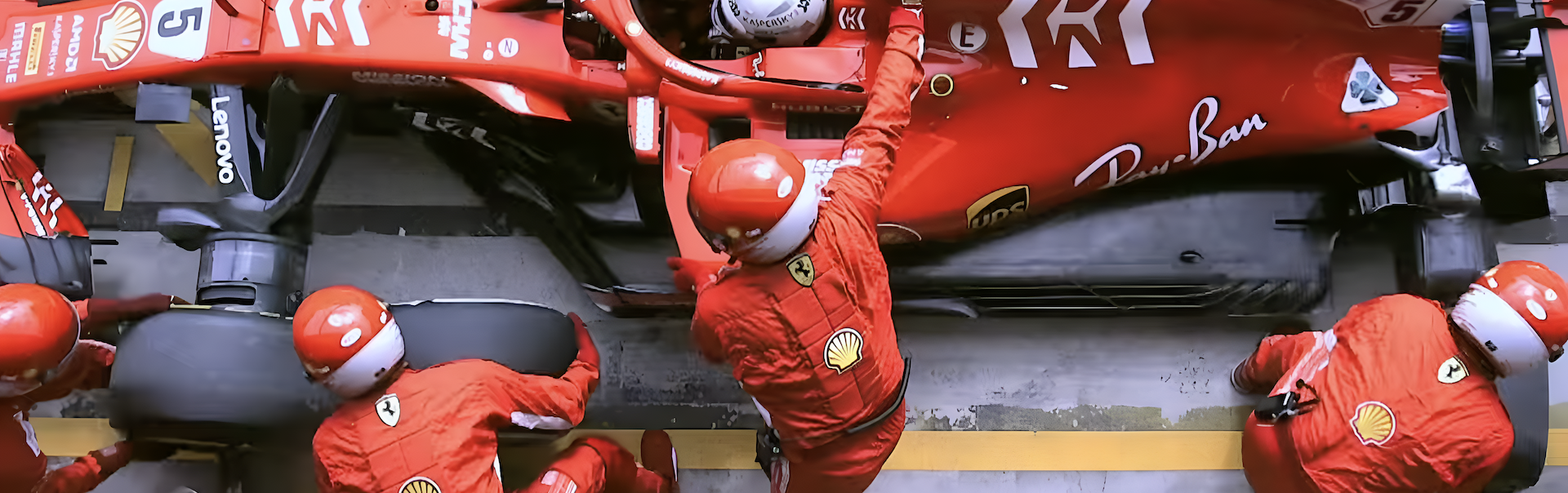
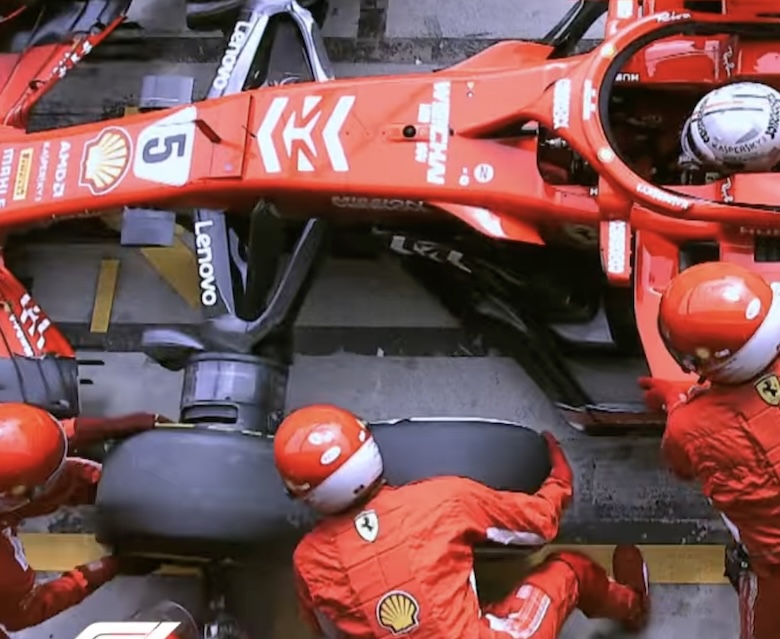
SMED, or Single-Minute Exchange of Die, also known as Quick Changeover or Setup Time Reduction, is a powerful Lean manufacturing technique designed to minimize equipment setup and changeover times. The term “single-minute” refers to achieving changeovers in a single-digit number of minutes — ideally under ten.

Reducing setup and changeover times is critical for enhancing operational flexibility, production responsiveness, and overall equipment effectiveness (OEE). Through SMED, organizations can achieve faster transitions between products or batches, enabling smaller lot sizes, improved flow, and reduced downtime.

Our hands-on SMED training helps manufacturing teams drastically reduce changeover times and boost production efficiency using real-world, data-driven methods. Through a blend of classroom learning and on-the-floor coaching, participants learn how to Conduct detailed cycle time and setup time studies, Identify and eliminate waste in setup and changeover activities, Differentiate internal and external setup tasks, Systematically convert internal activities to external ones and Implement a standardized changeover process that sustains improvement

By streamlining and reducing the time taken for these activities, teams can significantly minimize non-productive time, increase equipment utilization, and effectively support Just-In-Time (JIT) manufacturing.


Why is SMED critical for your organisation?

Increase equipment utilization

Reduced downtime

Improved flexibility in handling diverse product mix

Shorter lead times

Reduced inventory levels

Improved customer responsiveness


Who should attend SMED Training

Production and Maintenance Engineers / Supervisors

Operators and Technicians

Process and Industrial Engineers

Lean / Kaizen / TPM Coordinators


Empower your team to achieve Rapid Changeovers with SMED Training Program

Introduction to SMED

  • Purpose & benefits of SMED
  • SMED Fundamental: Internal & External Activities
  • Importance of separating internal & external activities as the foundation of SMED
  • Difference between Internal and External Activities

Understanding SMED Steps

Step 1: Study & Identify Tasks

  • Learn to capture activities of each operator with communication and involvement of operators 
  • Learn to maintain time study sheet along with time taken for each activity
  • Categorise each activity into Internal and external activities
  • Conduct Pareto analysis to identify high time consuming activities, to be taken in priority for improvement


Step 2:  Separate Internal and External tasks

  • Learn to cover activities that can be done externally before or after stopping the machine 
  • Arrange required materials and tools using a checklist to ensure everything is available
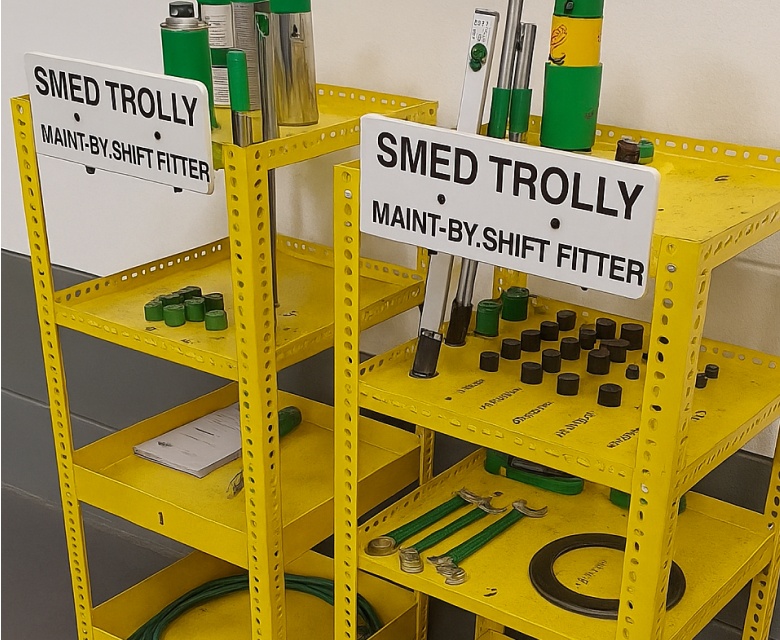
  • Use of point of techniques to arrange tools and trolleys to where it will be required 
  • Removed parts transportation & paperwork training before or after stopping the machine
  • Conduct function checks on machines to avoid any failures or process troubles during the changeover


Step 3: Convert Internal tasks into External tasks

  • Understand each internal activity using ECRS technique to check if it can be eliminated, combined, reduced or simplified.
  • Learn to convert internal into external activities using methods like pre-assemble of parts, pre-heating of moulds, standardization of part heights or sizes 


Step 4: Reduce Internal time

  • Use of Parallel work to identify activities that can be done in parallel, rather than in sequence
  • Use of workload balancing sheets to divide work between the team members doing the changeover
  • Use Standard work for each person involved in the changeover
  • Using fastening and unfastening during changeovers 


Step 5: Reduce External Time

  • Track target vs actual to see progress on changeover time visually on gemba
  • Learn to identify reasons of downtime, by sub assemblies, byparts
  • Conduct abnormality identification on identified issues to help reduce post changeover downtimes

Sustenance & Practical Study on Shop Floor

SMED Case Study

Walk through each step of the SMED process and its resulting impact on efficiency, downtime, and production flow covering following improvements:

  • Use of the checklist to eliminate waiting time for any parts / Tools
  • Use of additional parts / Two bin system for cleaning
  • Use of special tools for reducing floor cleaning time
  • Pre arrangement of all parts to reduce Waiting times / Preparation of labels
  • Saving in cleaning time through Standard Work

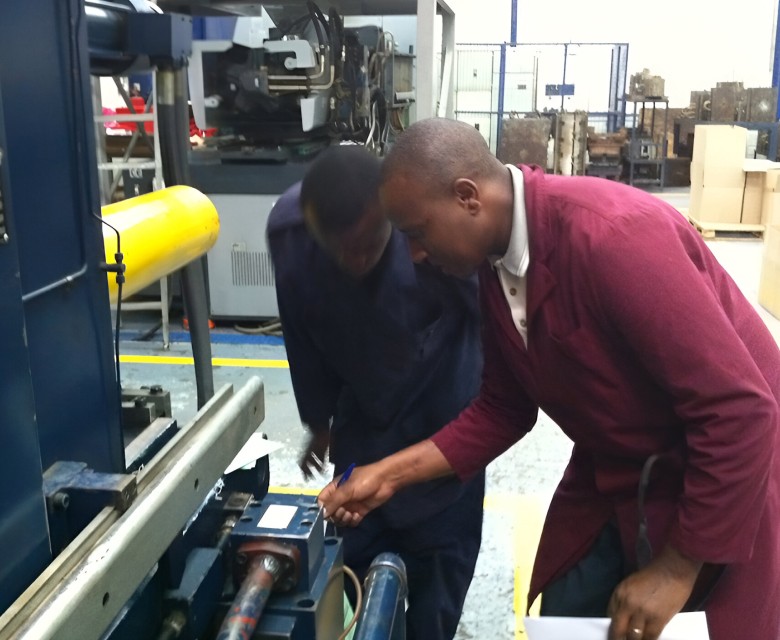
Actual changeover study on shop floor

Conduct actual changeover study of selected fast moving product and high frequency changeover

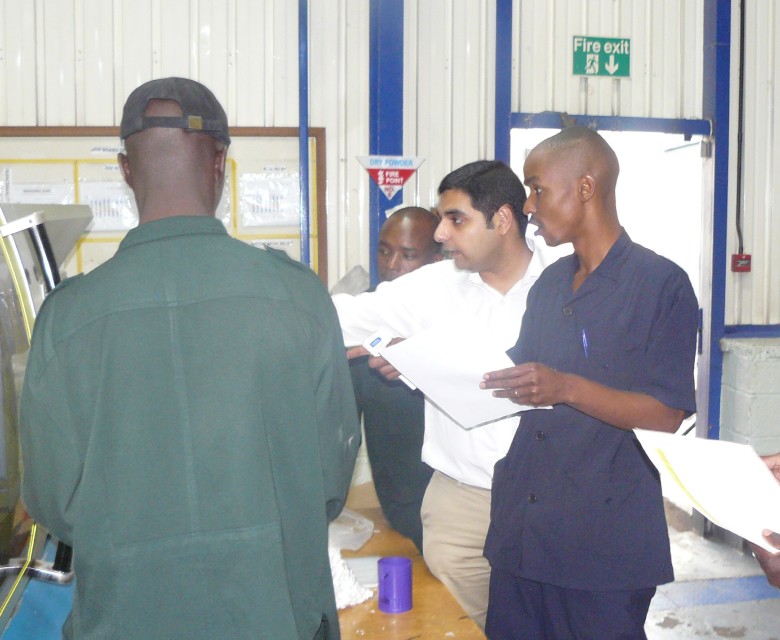
  • Form teams, conduct time study by different teams
  • Generate ideas for improvement, prepare action plan, do trial for next batch
  • Implement changeover improvements

Standardise and Sustain

Improvements done must be sustained by establishing standards and tracking actual results vs standards. Any deviation from standards to be analysed and corrective actions to be taken.

Our SMED Training Experience

0 + 750

SMED trainings conducted

0 + 1000

successful SMED projects

0 + 2500

participants trained

Why choose RIB as your training partner?

Experienced Trainers

Sharing of experience and case studies with practical application of SMED by Lean experts, worked across various industries and sectors.

Customised Training

The training program is tailored to align with organisation goals, by initial discussions with key stakeholders.

Practical Training

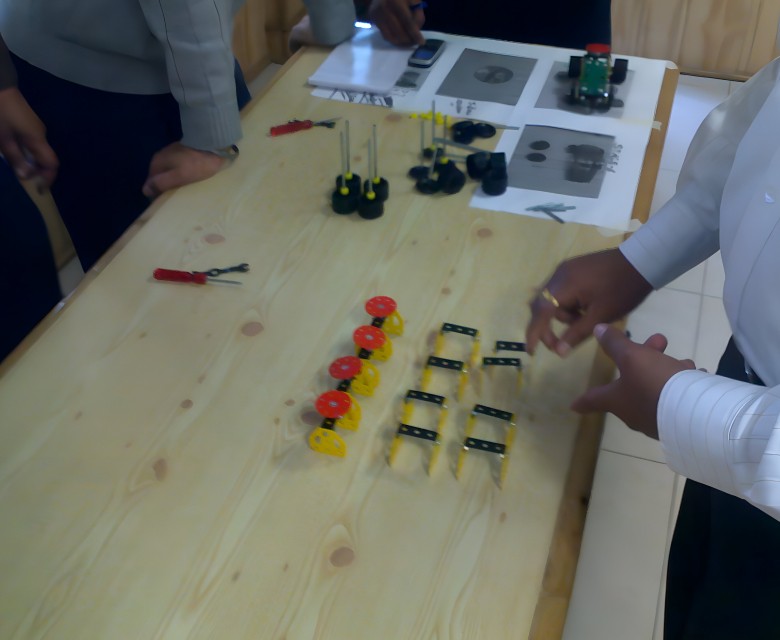
Practical learning through group activities, case studies, and simulation games, ensuring an engaging and hands-on experience at both classroom and shop floor of implementing SMED.

Train the Trainer Program

Train-the-Trainer program is led by a highly experienced trainer and Lean expert to enable internal capacity building and empower teams for ongoing success.

On-site and Off-site training

Flexible online and off-site SMED  training programs designed to suit the needs of the organisation.

Result-oriented Certified Projects

Participants will get certification only after the submission of defined SMED projects and results delivered, ensuring target outcomes are achieved for each project.
Advanced Lean Kaizen Certification Programs

Connect with our Experts!

With experience across diverse industries and challenges, we deliver unparalleled insights and solutions especially designed as per the needs. For more details, contact us today!

contact-with-expert-form