
Lean Kaizen in Retail Industry

Creating Fast, Efficient and Consistent Store Operations

ENQUIRE NOW

Retail businesses – whether restaurants, supermarkets, or fashion chains, often struggle with inconsistent customer experience, high labour costs, shrinkage, and back-office inefficiencies. As the network expands, these challenges multiply: some outlets outperform while others pull overall performance down, and lengthy finance and HR processes introduce avoidable delays and waste.

Typical Pre-Lean Challenges in Retail

  • Uneven productivity across branches – the top-performing 4–5 restaurants or stores often contribute a disproportionate share of revenue, while others operate with similar or higher staffing levels but deliver significantly lower output.
  • Backend processes and shop-floor inefficiencies – ad-hoc layouts, weak 5S practices, lack of visual order management, and wide variability in preparation and service processes, especially during peak hours, lead to delays and inconsistent customer experience.
  • Back-office overload – manual journals, repetitive reconciliations, email-driven workflows, and re-keying of data into ERP systems create bottlenecks, increase errors, and leave little time for analysis or process improvement.
  • Inventory and stock-take challenges – labour-intensive stock counts, paper-based processes, delayed postings, and high effort from store managers, audit teams, and head office finance result in poor inventory visibility.
  • Wastage and shrinkage – avoidable wastage of high-value ingredients as well as shrinkage in warehouses or stores due to inadequate controls, limited standardisation, and inconsistent adherence to procedures.


Lean Kaizen enables retail organisations to redesign how work flows across stores, kitchens, warehouses, and support functions so service becomes faster, labour more productive, and inventory tightly controlled without compromising brand standards.


How Lean Kaizen helps Retail?

Outlet operations

Kitchen / shop-floor layout, order-to-serve cycle, manpower deployment, 5S and visual management.

Support functions

Payroll and month-end closing, reconciliations, approvals and MIS – reducing manual effort and delays.

Stores, warehouse & logistics

Inventory norms, stock-take, picking and dispatch, water-spider roles and routing.

Standardisation & brand protection

SOPs, checklists, training and audits to maintain consistent customer experience across outlets.


Operational Excellence in Retail Operations

Restaurants & QSR Chains

  • Kitchen flow and layout: Use value stream mapping and cellular layout in core product lines (e.g. burgers, grills, salads) to reduce movement, introduce one-piece flow where feasible, and balance work content across stations.
  • Back-of-house 5S and standards: Implement 5S, visual standards for prep areas, and standard recipes / portion controls to stabilise quality and reduce rework or complaints.
  • Order-to-serve time: Map the full cycle from order capture (POS/app) to food served; identify bottlenecks at peak; run SMED-style kaizens on key operations to keep service time consistently within target bands, even at rush hours.
  • Manpower productivity: Analyse chef and steward productivity per cover / per ₹ of revenue, then redesign deployment, cross-skilling and scheduling to bring low-performing outlets closer to the best in class.

Supermarkets & Multi-format retail

  • Stock-take and inventory control: Design and deploy a standard stock-take process and app, reducing manual data entry, paper use and double handling while improving accuracy and auditability.
  • Warehouse and raw material store design: Redesign layouts based on frequency of use, improve zoning and labelling, and introduce water-spider (mizusumashi) roles to feed stores and production cells, cutting travel time and stock-outs.
  • Picking and dispatch productivity: Use picking cells, route optimisation and simple visual management for open orders to reduce order assembly time, errors and branch complaints.
  • Shrinkage and handling losses: Run focused kaizens on damage, expiry and pilferage; standardise handling for high-value or sensitive items.

Backend Processes

  • Process TAT improvement for support functions: Map end-to-end cycles such as payroll, store expense approvals, vendor payments and bank reconciliations; remove duplicate checks, unnecessary maker-checker loops and redundant reports.
  • Digitised workflows: Replace email-based approvals and spreadsheet reconciliations with simplified standard forms, checklists and – where relevant – workflow tools, significantly cutting turnaround time and errors.
  • Standard work and load levelling: Introduce standard work for month-end, payroll, and audit cycles; level work across the month instead of last-week peaks, reducing stress and overtime.
  • Dashboarding for branches: Create a simple branch-level dashboard (labour productivity, shrinkage, key cost ratios) so back-office teams focus their energy on the right outlets and issues.

Our Retail Consulting Impact

+ 0 % +20

Improvement in outlet manpower productivity

+ 0 % +15

Faster order-to-serve times and higher table turns

0 % -30

Reduction in effort and time for stock-takes and inventory adjustments

0 % -25

Reduction in back-office process lead times

0 % -20

Reduction in shrinkage, wastage and write-offs
Our Retail Sector Expertise

Coffee Chains

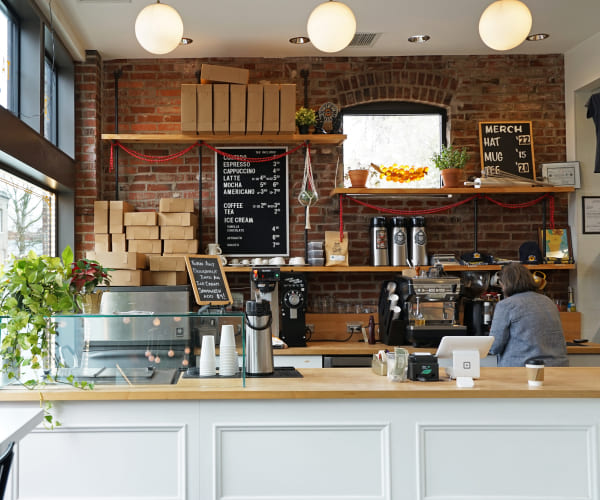
For premium café chains, Lean Kaizen helps align kitchen, barista stations and seating so peak-hour service is smooth. Work on standard recipes, bar flow, visual order queues and labour deployment increases table turns and keeps food & beverage quality consistent across branches.
Restaurants

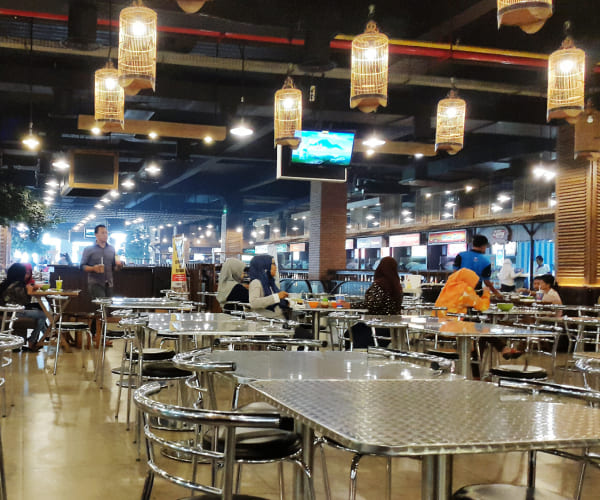
In restaurants, Lean focuses on manpower productivity, menu execution and franchise standardisation. Benchmarking outlets, addressing kitchen layout and steward management, and tightening back-end spice / raw material supply significantly improves outlet profitability and reduces wastage.
Retail Chains

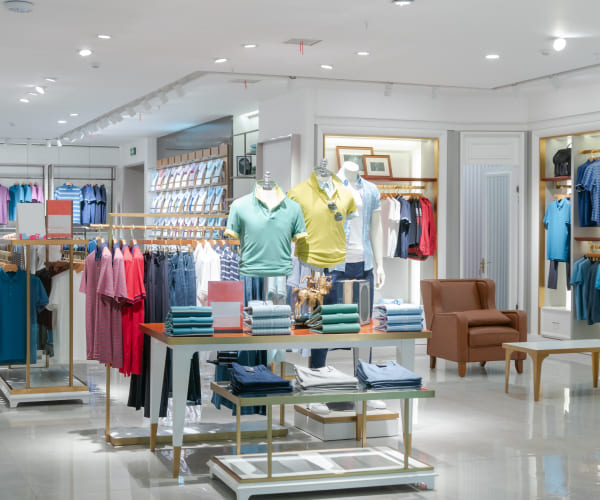
For fashion and apparel retailers, much of the improvement potential sits in shared services. Mapping finance and HR processes, eliminating manual journals and duplicated reconciliations, and digitising approvals leads to faster month-end closing, cleaner books and more time for store support rather than firefighting.
Supermarkets

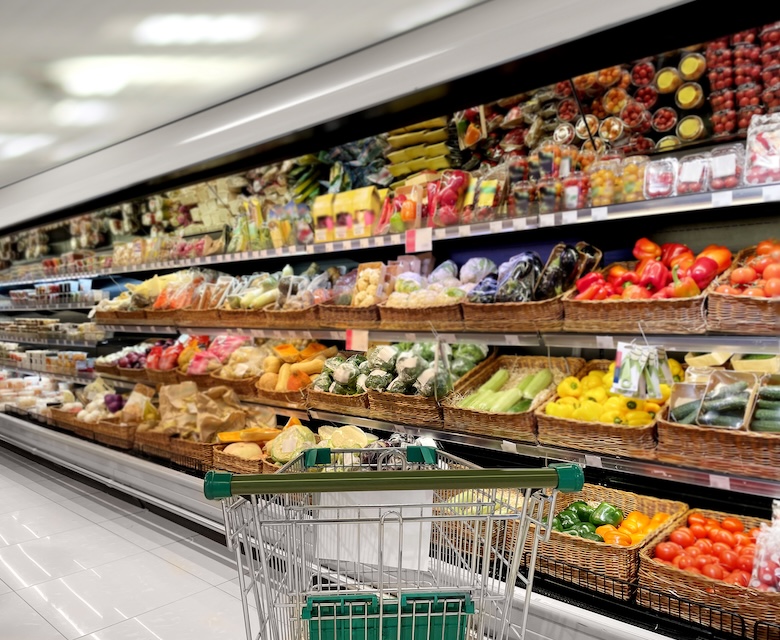
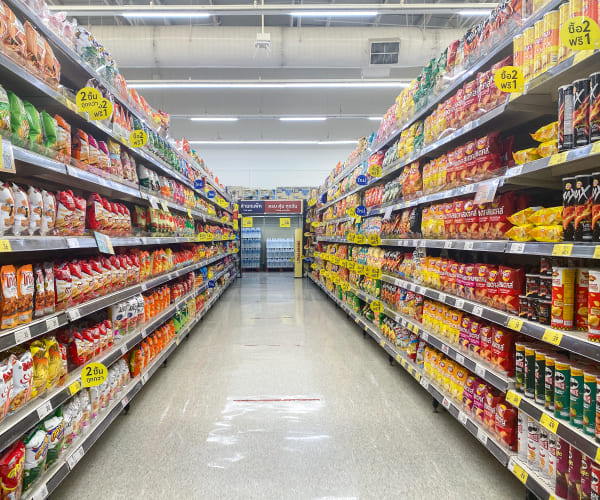
Lean projects in supermarkets focus on manpower productivity improvement in warehouse & stores, Customer turnaround time reduction in supermarkets, inventory optimisation in stores, better warehouse layouts and improved shelf-replenishment routines reduce shrinkage, stock-outs and excessive working capital while maintaining on-shelf availability.



What to Expect

More productive outlets and kitchens

Faster, more reliable customer service

Simpler, leaner back-office processes

Tighter inventory and loss control


Our Retail Clients

Art caffe, Kenya

Kritunga Restaurants, India

Sacoor brothers, UAE


Our Clients Results

CASE STUDY

Restaurant chain redesigns central bakery & prep kitchen layout to cut material movement, declutter flows and create a scalable backbone for growth

Retail

Using Lean Layout Design and Kaizen principles, RIBCON helped design a new macro-layout for the central facility that sharply reduces material movement, separates clean and dirty streams, and provides a scalable platform for future volume growth.

Lean Kaizen enables retail organisations to redesign work flows across stores, kitchens, warehouses, and support functions to deliver faster service, higher labour productivity and tighter inventory control without compromising brand standards.

Connect with our Experts!

With experience across diverse industries and challenges, we deliver unparalleled insights and solutions especially designed as per the needs. For more details, contact us today!

contact-with-expert-form