

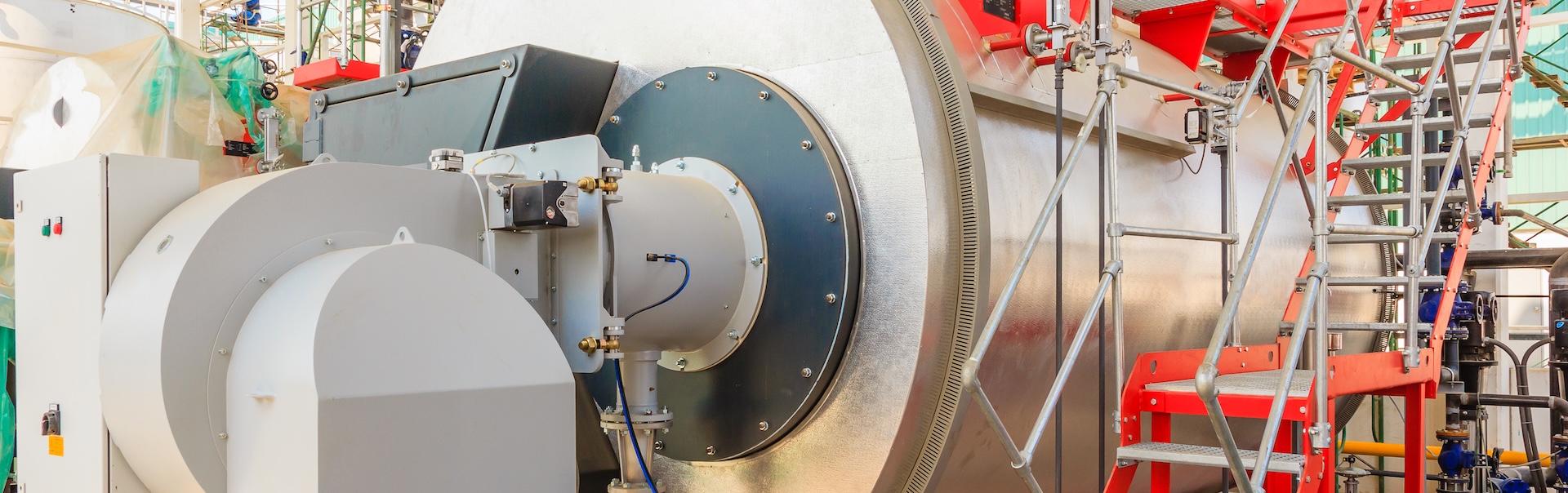
Implementation of Autonomous Maintenance Steps 1- 3, leak elimination and operator ownership on the main air compressor significantly reduced power consumption and improved reliability of the compressed air system at Animal feed mill.
Context and Challenges
A large animal feed mill where a central air compressor supplies batching, conveying and aspiration systems across the plant was facing frequent compressor trips, high discharge temperatures and widespread air leakages leading to unstable compressed-air supply, high energy cost and make operators dependent heavily on maintenance, and forced deterioration continued unchecked. There is a need to stabilise the compressor, reduce energy consumption and improve reliability using TPM and Autonomous Maintenance, and to create a model that could be replicated on other utilities and critical equipment in the mill.
Our Approach
As part of a comprehensive improvement program, we applied autonomous maintenance Step 1 and 3 using the following approach :
- Data Collection & Root Cause Analysis: We analysed six months of breakdown and stoppage data to quantify losses and prioritise issues.Conducted structured Why–Why analyses on high discharge temperature and air leakages to identify underlying causes.
- Abnormality tagging and basic condition restoration: Systematic red/green tagging of abnormalities were made on the compressor, air dryer, diverters, cylinders and pressure lines. Repair and replacement of cracked pipes, leaking seals, worn diverters and cylinders, and restoration of missing or damaged covers and guards.
- Creation of standards, checklists and One Point Lessons: Developed detailed Cleaning–Lubrication–Inspection (CLI) checklists for the compressor and air dryer. Prepared One Point Lessons on correct leak sealing, proper use of materials and point-of-use storage for tools and keys.
- Operator training and ownership: Operators and fitters were trained on Autonomous Maintenance concepts, daily CLI routines, abnormality tagging and basic troubleshooting. Simple visual controls and boards around the compressor, with clear responsibilities for daily and weekly checks were established. .
Key Strategies Implemented
- Restoration of basic conditions on the compressor and associated air network
- Elimination of major air leakages on slides, diverters, cylinders and pressure piping
- Standardisation of CLI tasks with clear frequencies, responsibilities and visual checklists
- Use of One Point Lessons and visual tags to sustain new standards and make good practices easy to follow
- Building operator capability to manage day-to-day equipment care and involve maintenance selectively for higher-level issues
Results Achieved
- 19% reduction in compressor power consumption
- Significant improvement in reliability, with Mean Time Between Failures (MTBF) increasing from about 129–157 hours to roughly 228–242 hours
- Mean Time To Repair (MTTR) reducing from around 0.5–0.8 hours towards a 0.2-hour target.
- CLI time for routine cleaning, lubrication and inspection reduced by roughly 85–90%, freeing operators to focus more on value-adding activities while keeping the compressor in better condition.
- Multiple leak points and forced-deterioration issues eliminated on the compressed-air network, stabilising air pressure to batching and conveying equipment and improving overall process stability.
The AM Step 3 project on the compressor became a reference model for other equipment in the feed mill by establishing standard templates for extending AM to other utilities and process machines.