

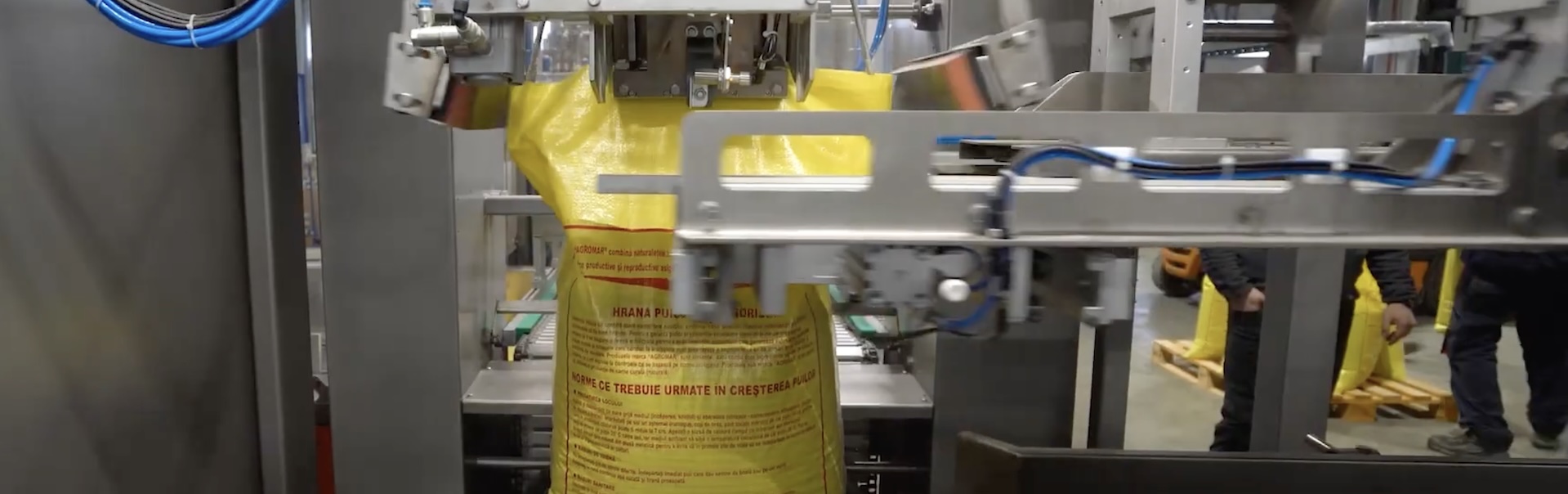
By redesigning layout and flow through Lean Kaizen and TPM, attacking chronic equipment issues and stabilising process parameters, a leading animal feed manufacturer plant significantly increased throughput, reduced losses and improved product quality.
By redesigning layout and flow through Lean Kaizen and TPM, attacking chronic equipment issues and stabilising process parameters, a leading animal feed manufacturer plant significantly increased throughput, reduced losses and improved product quality.
Context and Challenges
A leading animal feed manufacturer was facing low productivity and long batching cycles, chronic breakdowns on critical machines, excessive material movement, frequent spillages, high material losses and rework due to fines and low pellet quality. Despite strong market demand, the plant struggled to meet volume and quality expectations.
There is a need for a structured Lean / TPM programme that would quickly unlock capacity, reduce losses and build internal capability to sustain gains.
Our Approach
As part of a focussed improvement programme, we followed a structured multi-phase approach:
Assessment & Data Analysis: We analysed throughput, batching cycle times, breakdown history, layout, spillages and 5K audit scores. Conducted detailed machine-wise and reason-wise breakdown analysis to identify chronic loss areas.
Project Selection & Target Setting: We defined focused Kaizen projects and targets for 4 key improvement areas: Throughput improvement, Machine breakdown reduction, Quality improvement & rework reduction, Material yield loss reduction.
Rapid Improvement Workshops & TPM Deployment: We conducted four Rapid Improvement workshops of 5 days each, involving cross-functional teams from production, maintenance and quality and deployed Lean & TPM tools: Daily Work Management, Standard Work, Root Cause Analysis, 5K, Pull / Kanban, TQM and focused improvement.
Implementation & Review: We implemented layout changes, equipment condition improvements, process parameter optimisation and 5K / visual controls and instituted daily huddles and regular KPI reviews to track improvements, close gaps and sustain results.
Key Strategies Implemented
Layout, Flow & Batching Cycle Time: Re-designed plant layout to create smoother material flow, minimise manual handling distances. Relocated heavy and frequently used materials closer to batching and mixing points, reducing unnecessary forklift and trolley movements. Standardised pack sizes and improved bag quality to simplify handling and reduce spillages.
Root cause Analysis: Carried out Root cause analysis on grinder casing damage, identifying root causes in man, machine, method and material and implemented corrective actions: strengthening casing, improving feeding practices, enhancing magnet effectiveness, equalising beater weights and tightening maintenance standards.
Quality Improvement: Selected key product lines and mapped the full process from formulation to cooling, identifying factors affecting PDI and introduced standard procedures for die and roller maintenance, knife setting, cyclone damper adjustments and in-process PDI checks. Strengthened in-process and final inspection to reduce fines and eliminate customer complaints on product quality.
Daily Work Management: Analysed input vs output data for pelleted feed across months to quantify variance and identify high loss products and lines.Standardised handling from batching to packing; reduced spillage points, improved weighing practices and tightened bagging and sealing processes.Used Daily Work Management and visual controls to keep yield performance visible and trigger quick response to deviations.
5K, Visual Management: Implemented 5S by cleaning, organising and standardising workstations, installed visual performance boards showing plan vs actual output, breakdowns, spillages, PDI and rework; used them in daily huddles for problem-solving.
Capability Building: Trained supervisors and operators on Lean basics, Daily Work Management, root cause analysis and TQM concepts, building ownership and cross-functional teamwork.
Results Achieved
- 93% improvement in average output per day with no additional machines or manpower
- 50% increase in productivity by implementing flow
- Improved Pellet Durability index by 14.59%
- Over 90% reduction in reworks
- Total breakdowns on the grinder and other key machines reduced; grinder breakdown share was significantly cut.
- Elimination of customer complaints due to fines in finished product
- 5K audit scores moved towards targeted levels (from 26% towards 65%), supporting a more disciplined, visual and safe workplace.
The Kaizen implementation at the animal feed plant clearly demonstrated that substantial gains in throughput, quality and yield are possible without major capital investment—by focusing on flow, equipment reliability, process discipline and people capability.