

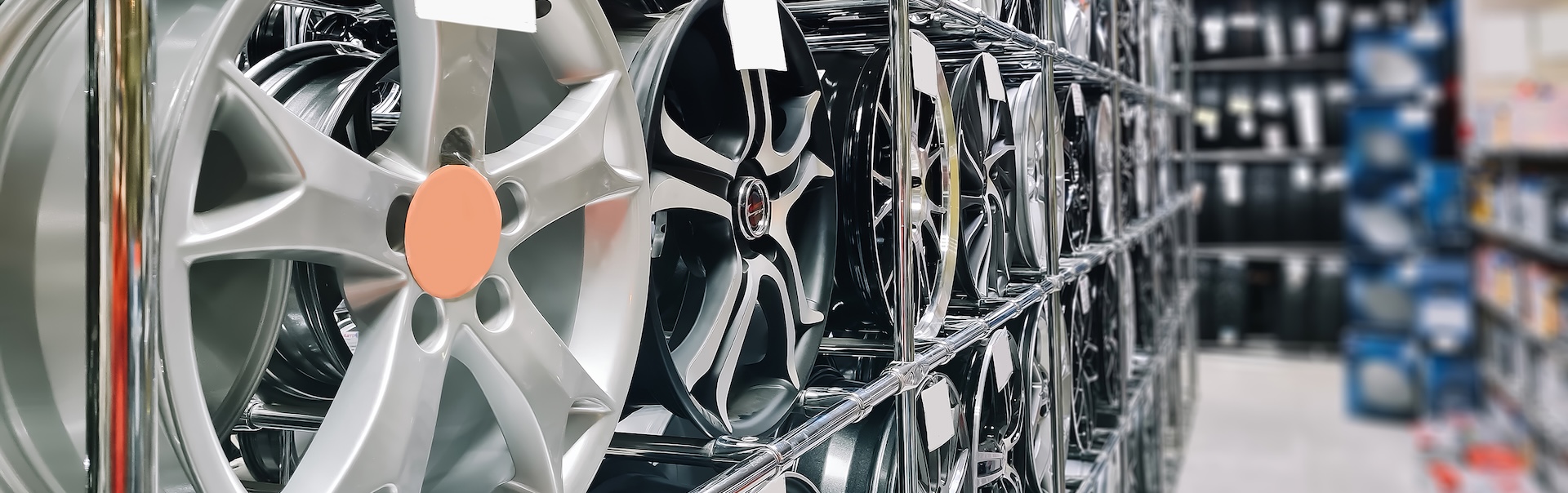
Automobile parts warehouse optimises stock and reduces carrying cost through Operational Excellence by tightening planning norms and replenishment discipline. This leads to significant reduction in stock for body parts, windscreens and rims, improvement in slow/non-moving norms and counter turnaround time through simpler flows and layout.
Context and Challenges
A large automobile parts warehouse handling body parts, windscreens, rims and other spares was facing a familiar paradox – high inventory, yet frequent stock-outs:
- Huge non-moving and slow-moving stocks blocking cash.
- In some slow movers, annual carrying cost was higher than the profit earned, turning them into a direct loss.
- The company was planning to implement ERP, but standard ERP inventory formulas would have doubled current inventory if applied without redesign.
- Inventory turns were only 2.5, well below desired levels.
- Customer turnaround time was high, with customers moving back and forth between the sales counter, lounge, viewing area and cashier.
Our Approach
The Lean inventory project was structured into three clear design steps:
- Decide what to keep & how much to keep: Performed ABC and Runner–Repeater–Stranger (RRS) analysis to segment items by sales value and movement. Designed item-wise maximum and minimum stock norms for each category (runners, repeaters, strangers, non-moving) so that stock levels matched demand patterns.
- Decide where to keep & how to keep: Redesigned the warehouse layout and rack allocation so frequently picked parts were easily accessible and grouped logically. Introduced visual management in storage locations (location codes, labels, colour coding) to simplify searching and counting.
- Decide how to order: Built a simple inventory management sheet listing max stock, minimum stock, stock on hand, stock in transit and reorder needed by part number. Implemented a Kanban-style replenishment system, where reaching minimum stock triggered replenishment up to the defined maximum.
Key Strategies Implemented
Inventory Management System Design
- Created a part-wise planning sheet for each major category (body parts, windscreens, rims) showing: max stock, average line item space usage, stock on hand, stock on order and replenishment needed.
- Used RRS analysis so that runners (high sellers) and identified optimum stock levels to avoid stock-outs, while strangers and non-movers were tightly limited or stopped.
Warehouse Layout & Visual Management
- Allocated storage based on movement: runners closer to dispatch and picking points, slow movers deeper inside.
- Applied visual controls – location labels, item codes and clear demarcation – so staff could quickly find and return items, reducing searching time and picking errors.
Kanban Replenishment & Ordering Discipline
- Converted the new min–max norms into simple Kanban rules: when stock dropped to minimum, a replenishment order was raised automatically to reach maximum.
- Ensured purchase and ERP parameters were aligned to these Lean norms rather than legacy or default formulas.
Focus on Categories – Body Parts, Windscreens, Rims
- Ran separate analyses for body parts, windscreens and rims, recognising their different sales and movement patterns.
- Calculated required stock values and potential reductions for each category, along with annual carrying cost savings at 25% p.a.
Results Achieved
The Lean inventory management system delivered strong, quantifiable results across the main product categories:
- Body Parts inventory value reduced by 80% from about $607,734 to $124,121, with an estimated annual carrying cost saving of ~$120,900.
- Windscreens inventory value brought down by 70% from $247,747 to $78,970, saving roughly $42,200 per year in carrying cost.
- Rims inventory value reduced by 40% from $298,260 to $181,773, with around $29,100 per year in carrying cost savings.
- Overall Impact
- Total annual saving in inventory carrying cost of about $192,000, while improving availability for fast-moving parts and reducing risk of over-stocking slow and non-movers.
- Stronger discipline in ordering and clearer visibility of what to stock, where it is kept and when to reorder.
- Improved customer turnaround time at the counter as parts became easier to locate and pick in the redesigned layout.