

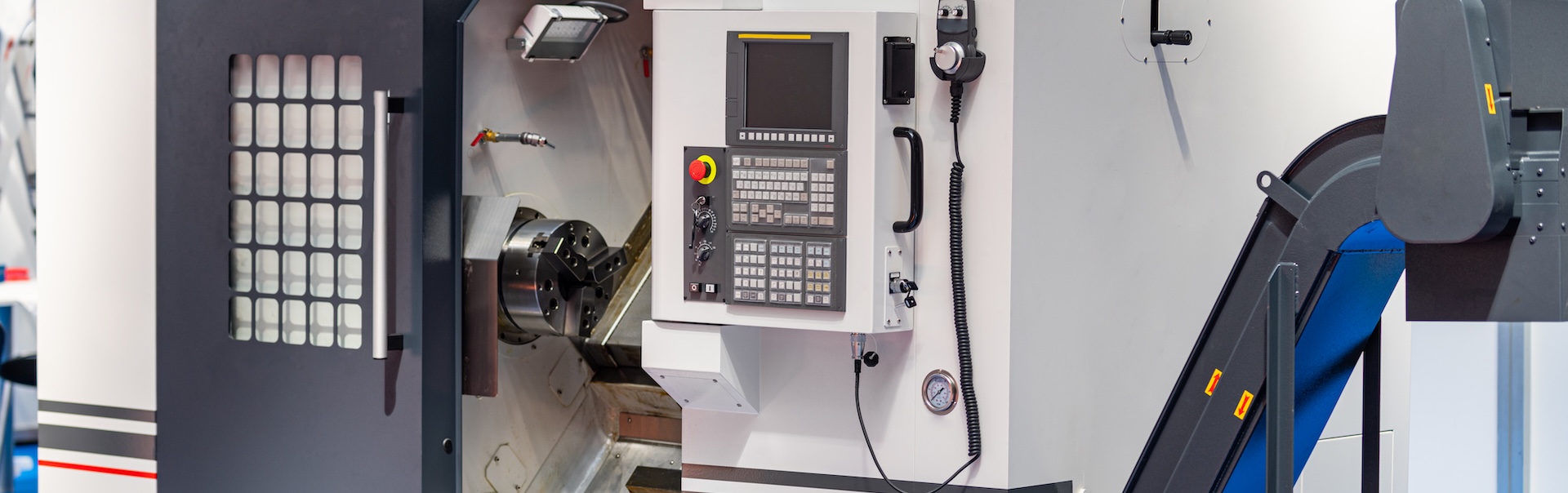
By running a TPM Planned Maintenance project led by the maintenance team, the plant used data-driven analysis, focused engineering changes and standardised maintenance to bring chronic faults under control resulting in higher OEE and machine reliability.
Context and Challenges
A leading automotive manufacturer’s Heavy Machine Shop, operating more than 250 CNC & VMC machining centres, was experiencing frequent breakdowns and chronic stoppages on key machines. Major loss drivers included repeated drive faults, ATC faults and wrong sensor signals, all aggravated by dust, vibration and weak maintenance discipline. The Heavy Machine Shop handled critical machining of large castings on CNC machining centres. Before TPM, the shop faced:
- High and unstable breakdowns on selected CNC machines, affecting delivery and forcing frequent rescheduling.
- Chronic repeat faults – particularly drive faults, ATC faults and wrong sensor signals, reappearing across shifts despite repairs.
- Dust and vibration-related issues – cast iron dust accumulation on drives and sensors, vibration of electrical panels, and gaps between machine and chip conveyor increasing chip ingress.
- Weak Planned Maintenance practices – maintenance was largely reactive; there was no robust MTBF-based ranking, no standard TBM routines and limited OEE visibility.
Our Approach
The TPM project was structured around RIBCON’s Planned Maintenance methodology and executed largely by the internal maintenance team:
- Analysed breakdown history and production vs breakdown trends to identify critical machines and prioritise improvement focus. Applied equipment ranking and MTBF analysis to select focus machines for the project.
- Conducted Systematic Root cause analysis covering - Pareto analysis of breakdown reasons and detailed cause & effect analysis on top loss categories (Drive Fault, ATC Fault, Wrong Sensor Signal), Validated hypothesised causes through on-machine tests, vibration checks and casting allowance studies
- Implemented targeted engineering countermeasures & Kaizen actions on machines with lowest MTBF and standardised maintenance procedures.
- Established OEE sheets and Time-Based Maintenance (TBM) processes to sustain improvements and monitor performance.
Key Strategies Implemented
Data Collection, Equipment Ranking & MTBF Analysis
- Collected detailed breakdown and production data for all major machines in HMS.
- Prepared equipment ranking based on breakdown frequency, downtime impact and criticality to customer deliveries.
- Used MTBF analysis to quantify reliability and shortlist focus machines with poorest performance for the pilot TPM project.
Pareto & Root Cause Analysis on Top Breakdown Modes: Built Pareto charts of top breakdown reasons and carried out detailed cause & effect analyses for:
- Drive Fault – issues linked to cast iron dust, vibration during machining, encoder problems, loose connections and voltage fluctuations.
- ATC Fault – stemming from less spring tension, ATC misalignment, wrong tool adaptor, high cylinder air pressure, wrong tool data and ATC roller breakage.
- Wrong Sensor Signal – caused by defective sensors, dust and oil on sensors, poor sensor location, missing guards and loose connections.
- Validated these causes at the gemba, confirming that drive and ATC faults were the vital few contributors to breakdown.
Engineering Modifications on CNC Machines: Using the validated causes, the team implemented focused engineering changes:
- ATC Reliability Improvement:
- Recognised that ATC faults were linked to wear and tear of mechanical brake leathers and high tool-change speed.
- Tested and implemented electro-mechanical ATC in place of hydraulic ATC on machine MCH-76 to improve control and reduce mechanical wear.
- Drive Fault & Vibration Control
- Checked machine vibration and machining allowances on key machine MCH-130, including casting variations by vendor.
- Assessed electrical panel vibration on CNC machines; to control vibration, detached the electrical panel from the machine body and installed it on a separate angle platform.
- Added cooling fans to drive modules to reduce thermal-related drive faults and improve reliability.
- Chip & Dust Management
- Installed chip guards where none existed to prevent cast iron chips from entering sensitive areas.
- Eliminated gaps between machine and chip conveyor by repositioning the conveyor closer, reducing chip accumulation under the machine.
Strengthening Planned Maintenance & Shopfloor Discipline
- Developed and rolled out Time-Based Maintenance (TBM) processes, including periodic checks, lubrication and replacement tasks for critical components.
- Created OEE recording sheets to make downtime and performance losses visible at machine level and support ongoing analysis.
- Established standard checklists and basic inspection routines for operators and maintenance technicians, linking them to major fault modes.
Results Achieved
While the project was primarily focused on building a robust TPM Planned Maintenance system, clear technical and operational benefits were observed on the pilot machines:
- Reduction in overall breakdowns by 50% and elimination of chronic breakdowns – drive faults, ATC faults and wrong sensor signals reduced markedly once engineering changes, cleaning standards and TBM routines were in place.
- Improved machine stability and reliability: vibration control (panel isolation, better casting allowances) and chip/dust management resulted in fewer random stoppages and smoother machining.
- Better visibility of equipment losses through OEE sheets and structured data collection, enabling the maintenance team to focus on the most impactful issues instead of reacting to symptoms.
- Stronger maintenance discipline: Adoption of TBM, checklists and periodic reviews shifted the culture from purely breakdown maintenance to planned, preventive care of critical CNC assets.