

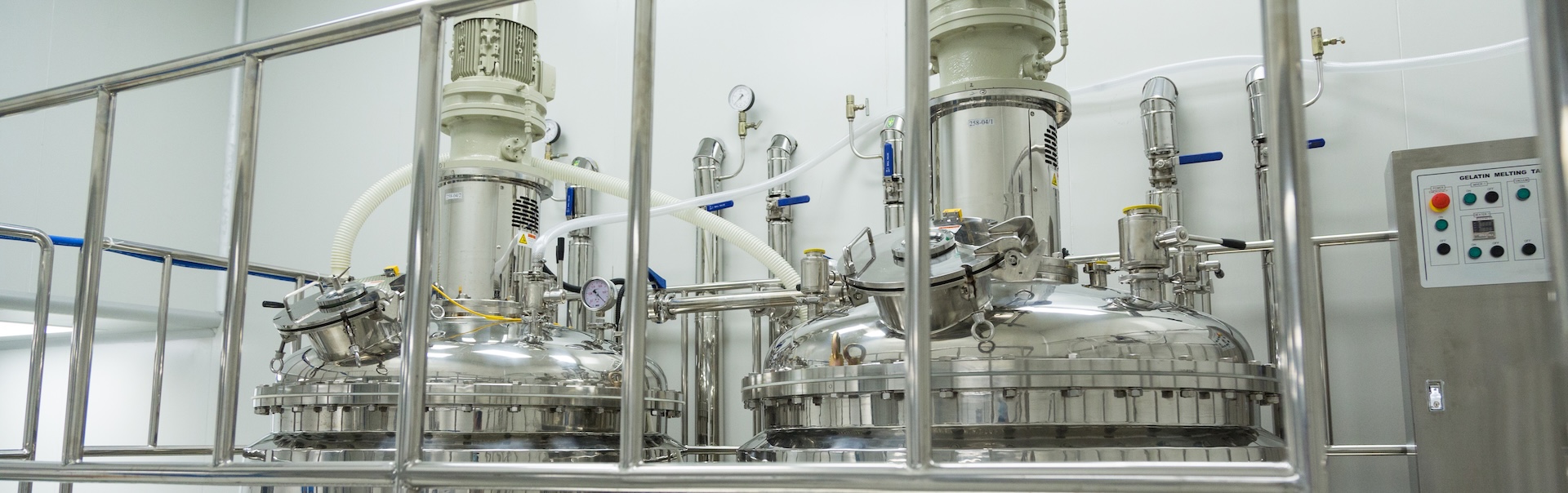
A specialty resins plant reduced batch cycle times, power and fuel consumption by running focused Lean Kaizen projects on reactors, utilities and maintenance practices. By attacking energy waste at source and simplifying operating methods, the plant freed up capacity, lowered kWh/MT and fuel cost, and improved process stability without major capital investment.
Context and Challenges
The plant operates multiple reactors and shared utility systems to manufacture different resin grades. Before Lean Kaizen, the site faced:
- Long batch cycle times on key grades, limiting throughput on critical reactors.
- High fuel and power costs, with drum-cleaning boilers and cooling-tower fans running longer than needed.
- Slow PVA solution cooking, tying up vessels and energy for several hours per batch.
- Quality and yield variation linked to inaccurate manual charging using flow meters rather than precise weight.
Management wanted to reduce specific energy consumption, shorten cycle times and stabilise charging and quality through low-cost, fast-payback improvements in operations and maintenance.
Our Approach
The improvement roadmap was structured as a set of focused Lean Kaizen / TPM projects:
- Cycle-time and energy diagnostics on selected grades and utilities to establish baselines.
- Loss analysis on reactors, cleaning systems, cooling towers and solution preparation to identify high-impact opportunities.
- Cross-functional Kaizen teams from production, utilities and maintenance to design and trial solutions.
- Standardisation and basic condition restoration so improvements became part of normal daily work.
Key Strategies Implemented
Reactor Cycle Time Reduction – Key Resin Grade
- Analysed batch cycle-time patterns on a critical resin across two reactors. Identified heating phases, operator practices and parameter variation as major causes of extended cycles.
- Standardised batch size, operating parameters and heating profiles; installed simple HMI/indication to monitor temperature vs. time.
- Trained operators and started daily monitoring of actual cycle time against the new standards.
Fuel-Gas Heat Recovery for Drum Cleaning
- Drum cleaning required large volumes of hot water, previously heated using a dedicated steam generator.
- Designed and installed a simple heat-recovery arrangement on the flue gas line of the main heater/boiler to pre-heat cleaning water.
- Eliminated the need to run the separate boiler for this service, reducing fuel consumption with a very short payback.
Cooling-Tower Fan Control with Temperature Sensors
- Cooling-tower fans were running continuously, even when water temperature was well within the required range.
- Fitted temperature sensors on the cooling-water header and linked fan operation to actual water temperature.
- Fans now cut in and out automatically based on demand, reducing unnecessary power use while maintaining process conditions.
PVA Cooking Time Reduction via Steam Injection
- PVA solution preparation was taking around three hours using conventional coil heating.
- Modified the system to allow controlled steam injection, with clear limits and checks on operating conditions.
- Established new standard parameters and monitoring, cutting cooking time roughly in half and freeing capacity.
Load Cells for Accurate Charging and Quality Stability
- Charging of water and other inputs was previously done by reading flow meters, creating batch-to-batch variation.
- Installed load cells on selected vessels so charging could be controlled by weight, not estimated volume.
- Updated SOPs and trained operators so target weights became the reference, improving consistency and reducing rework.
Results Achieved Across the pilot projects, the plant achieved clear and measurable improvements:
- Batch cycle time on a key resin reduced from about 27 hours to ~18 hours on two reactors, increasing available capacity without additional equipment.
- PVA cooking time was cut by around 50% (from ~3 hours to ~1.5 hours), lowering steam consumption and releasing vessels sooner for the next batch.
- Significant annual energy savings from fuel-gas heat recovery and temperature-based cooling-tower control, with very short payback periods for the small investments made.
- More stable charging and quality, as load-cell-based dosing reduced variation and the risk of off-spec batches and rework.