Lean Kaizen in Automotive Industry

Building High-Performance, Lean Automotive Operations

ENQUIRE NOW

Automotive manufacturers today operate in an environment of volatile demand, variant proliferation, and intense cost pressure. OEMs, passenger and commercial vehicle manufacturers, component suppliers, and battery plants must deliver high quality at low cost, with reliable delivery and shorter lead times.

Common challenges include:

  • Imbalanced assembly lines and high non–value adding movements
  • Frequent breakdowns in machining, casting, and assembly operations
  • High rejections and rework in machine shops and equipment
  • Rising conversion costs due to low OEE and manpower productivity
  • Excess inventory of components, on line and long internal logistics routes


Lean Kaizen
helps automotive plants systematically eliminate waste, stabilize processes, and build reliable, flow-based operations—from machining and casting to final assembly


Operational Excellence in the Automotive Value Chain

Lean Manufacturing System for Automobile operations combines VSM, line & layout design, standard work, SMED, TPM, and TQM to drive improvement across assembly, machine shops, suppliers, and logistics.

Assembly Line Productivity & Flow

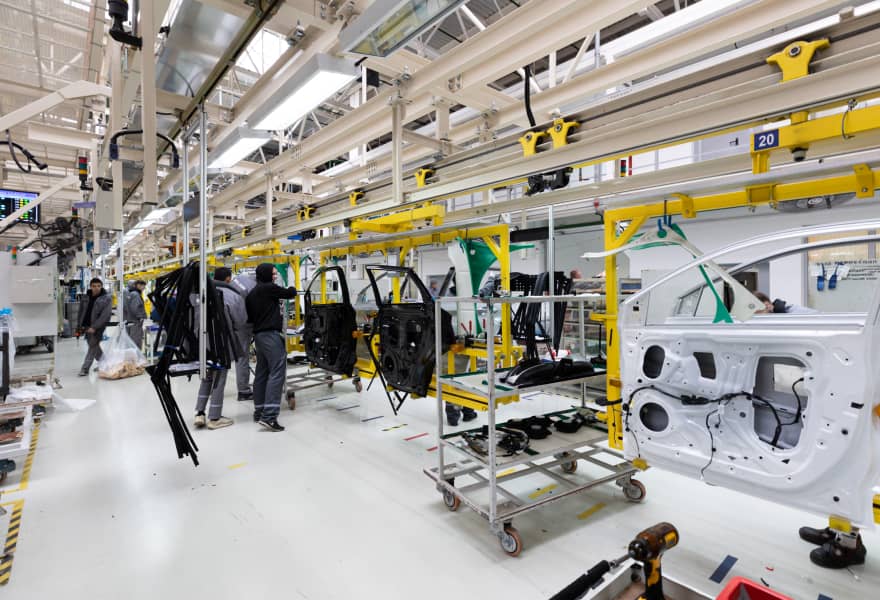
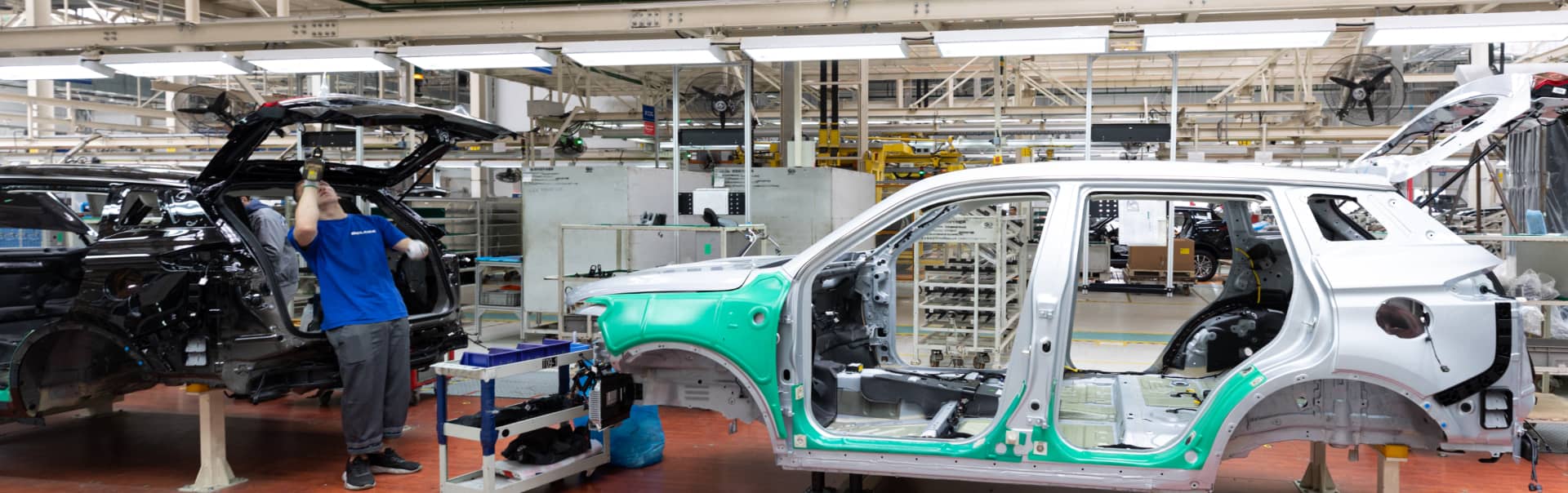
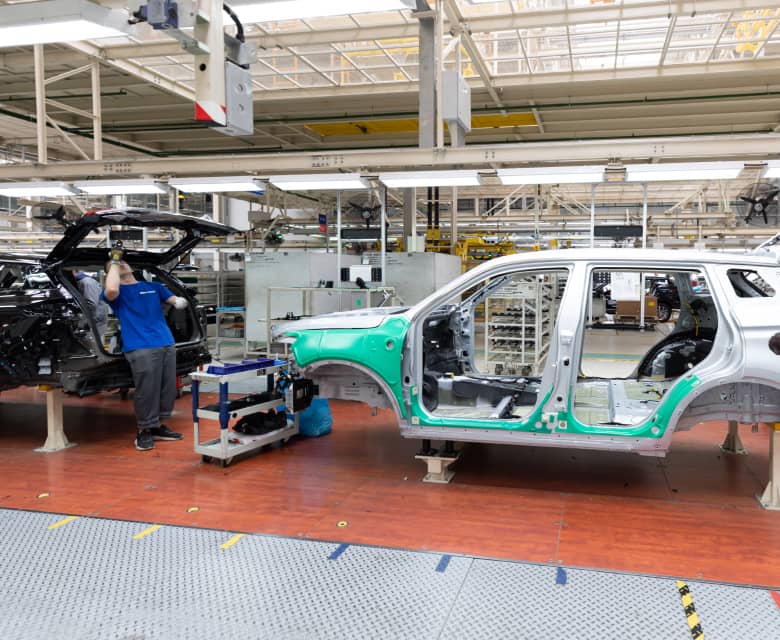
On vehicle assembly lines, Lean Kaizen focuses on balancing work content, eliminating operator movement, and designing flow-based layouts by

  • Implementing Value Stream Mapping and Time & Motion Study to identify non–value adding activities and bottlenecks across main and sub-assembly lines. 
  • Redesigning of line & layout to bring parts, tools, and fixtures closer to workstations, eliminating unnecessary walking and searching. 
  • Implementation of Border-of-Line (BOL) supermarkets, kitting workstations, and trolleys/racks to support smooth material presentation to operators. 
  • Standardization of work using Sequence Operation Sheets and Standard Work Instructions, aligned to TAKT time to ensure balanced workloads across pitches.

This helps achieve higher throughput per day, reduced operator fatigue, and consistent performance across shifts.

Equipment Reliability & Breakdown Reduction

Equipment Reliability & Breakdown Reduction (Machining, Casting, Assembly)

Machine shops and casting areas often drive availability losses in automotive value streams. Lean Kaizen applies TPM and detailed breakdown analysis to improve reliability:

  • Conducting machine-wise breakdown analysis to identify critical equipment and major breakdown contributors
  • Implementing Root Cause Analysis (QC Story, Fishbone, Why-Why) to understand equipment failure modes and address forced and natural deterioration. 
  • Introduction of Autonomous Maintenance and Planned Maintenance steps to restore and sustain basic conditions—cleaning, lubrication, tightening, and inspection. 
  • Implementation of Kobetsu Kaizen and design improvements (e.g., better material selection, improved guides, robust mounting) to eliminate chronic equipment trouble. 

This approach is used to reduce equipment failure losses, adjustment losses, and speed losses, directly improving OEE and conversion cost.

Quality & Defect Reduction

Quality & Defect Reduction in Machine Shops & Assembly using TQM, Lean & Six sigma approach can drastically reduce rejections by using below approach:

  • Mapping of defect patterns and analysing them by machine, operator, and cause. 
  • Implementation of Cause & Effect Diagrams to trace issues back to training gaps, wrong tooling, lack of work instructions, or gauge calibration issues. 
  • Standardization of operations with clear work instructions on machines, checks, and OPLs (One-Point Lessons) to prevent recurrence. 
  • TQM and Six Sigma tools for critical characteristics to reduce process variation and rejection rates.

OEE Improvement & Manpower Productivity

Automotive plants often suffer from low OEE and increasing conversion costs, especially where manual intervention is high. Lean Kaizen improves both equipment utilization and manpower productivity:

  • Analysis of OEE (availability, performance, quality) for assembly and upstream processes to identify major losses. 
  • Reduction of performance and minor stoppage losses through AM, layout improvements, and elimination of jam points, misalignment, and repetitive adjustments. 
  • Detailed time studies on minor stoppages on machines to identify and eliminate causes
  • Implementation of workload balancing and cellular layouts to reduce operator count and cycle time, while still meeting TAKT time.

Internal Logistics & Inventory Flow

Automotive manufacturers lose significant productivity in internal logistics and line inventory. Lean Kaizen improves flow by:

  • Designing BOL supermarkets and finished goods / kitting cells around assembly lines to provide the right parts in the right quantity at the right time. 
  • Using Mizusumashi (water spider) concepts to centralize internal logistics and reduce operator walking and searching. 
  • Implementing Pull planning and Kanban for production and supplier replenishment (including milk runs and supplier Kanban systems). 
  • Improving warehouse design and flow to cut internal and external turnaround time, and reduce on-line component inventory.

This results in shorter throughput time, improved space utilization, and lower inventory carrying costs from machine shop to final assembly.

Standard Work, Skill Development & TWI

People capability is central to automotive Lean transformations. Your case studies highlight Training Within Industry (TWI) and Jishuken as key levers:

  • Developing standard work for operators to stabilize cycle times and ensure consistent job execution at each station. 
  • Using TWI Job Instruction methodology to rapidly skill operators and multi-skill them across stations (critical in assembly, casting, and battery lines). 
  • Building skill matrices and focused training plans for key operations and machines, linking them to takt-time-based line balancing. 

This allows plants to increase operator efficiency, demonstrating that “more work can be done with fewer people” when MUDA is eliminated and lines are balanced.

5S, Visual Management & TQM

Sustainable improvement in automotive requires basic stability:

  • Implementation of 5S across final assembly, casting, machining equipment to improve workplace organization, reduce search time, and enhance safety. 
  • Implementation of visual controls: SOP boards, standard work displays, status boards, defect trend charts, and OPLs at each workstation. 
  • Using TQM practices to link shopfloor indicators (rejections, breakdowns, OEE) with plant-level targets on cost, quality, and delivery. 

These practices make abnormalities visible and enable quick action, supporting zero-defect and zero-breakdown goals.

Our Automotive Consulting Impact

+ 0 % +32

Increase in vehicle output per day

+ 0 % +30

Improvement in manpower productivity

0 % -45

Reduction in breakdown hours

0 % -25

Reduction in rejection and rework

0 % -17

Reduction in conversion cost per unit

Our Automotive Sector Expertise

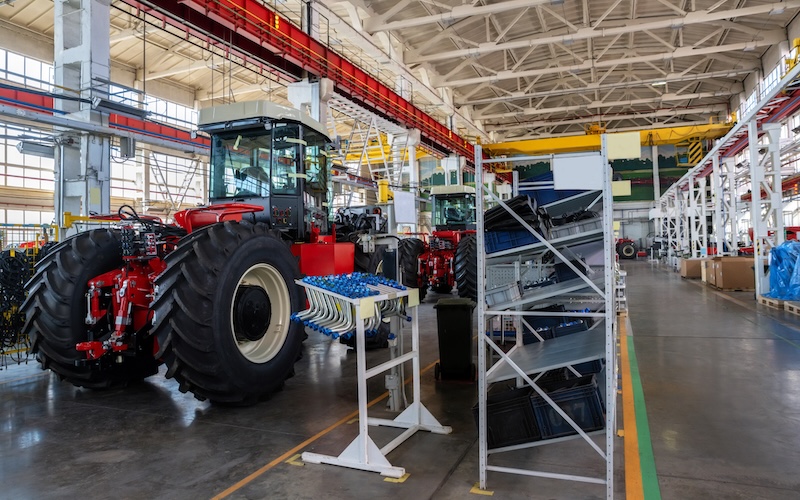
Tractor & Automotive OEMs

We help tractor and vehicle manufacturers achieve high line productivity and consistent quality through flow manufacturing, line balancing, and standardized work. By redesigning layouts, eliminating non-value-adding movements, and stabilizing processes with TPM, plants increase throughput, reduce fatigue, and lower cost per vehicle.
Automotive Batteries

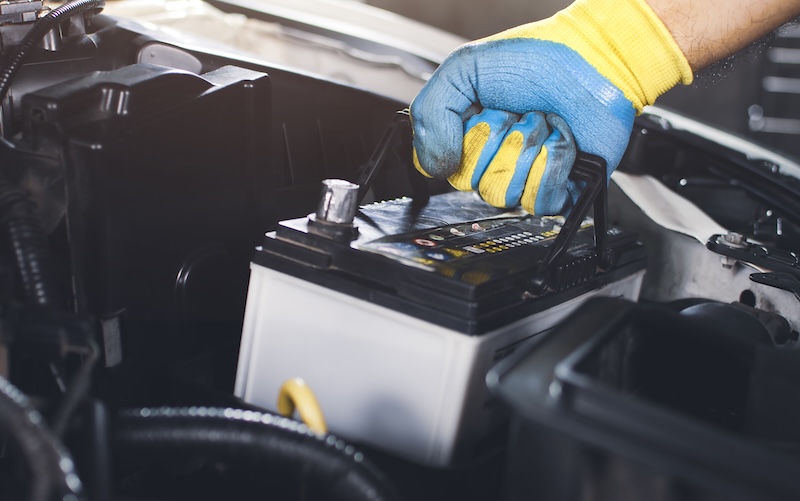
We improve OEE, yield, and manpower productivity by eliminating chronic losses across assembly, heat-sealing, testing, and formation. Through TPM tools and SMED, we enhance equipment reliability, accelerate changeovers, and significantly reduce rejection, rework, and conversion cost per unit.
Automotive Components & Machine Shops

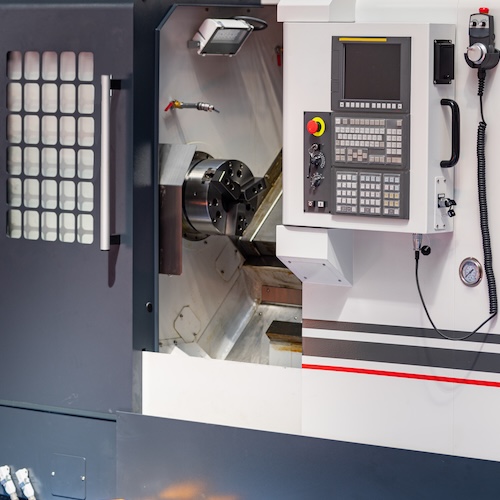
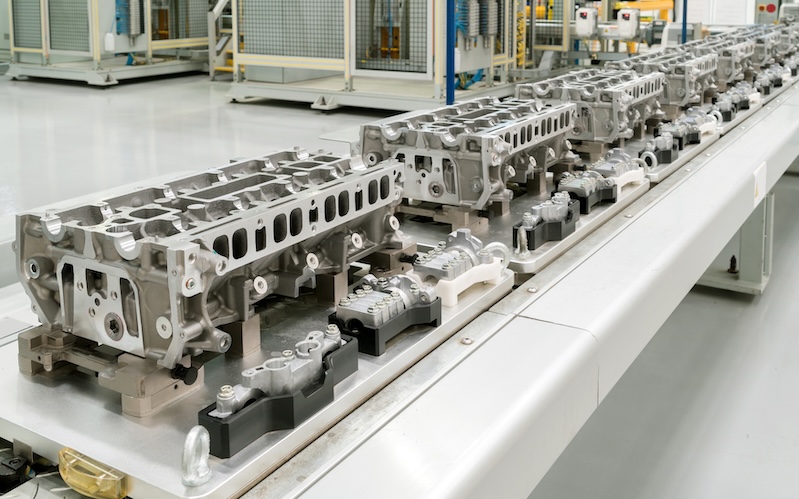
Component and machining suppliers benefit from Lean Kaizen through defect prevention, process stability, and faster delivery. Using TPM, QC Story, and flow manufacturing, we help teams reduce breakdowns, rejections, and rework while improving tool life and cycle time. resulting in higher reliability and lower cost.


What to Expect

Increase in production output per line

Reduction in manufacturing lead time and throughput time

Increase in manpower productivity and better utilization of skills

Improvement in on-time delivery performance and schedule adherence

Reduction of material losses, rework, and rejection

Improvement in OEE and equipment reliability

Lower conversion cost per unit and improved profitability


Our Automotive Clients

Besmak Auto components, India

Billson Stainless, India

Bosch, India

Divekar Wallstabe & Schneider Precision Seals, India

GNA Duraparts, India

GDPA Fastneres, India

Imperial Auto, India

International Tractors Limited (Sonalika)

Sajjan Precision castings, India


In an automotive landscape defined by volatile demand, rising costs, and increasing product complexity, Lean Kaizen enables manufacturers to stabilize processes, eliminate waste, and build reliable, flow-based operations —from machining and casting to final assembly.

Connect with our Experts!

With experience across diverse industries and challenges, we deliver unparalleled insights and solutions especially designed as per the needs. For more details, contact us today!

contact-with-expert-form