
 RIBCON
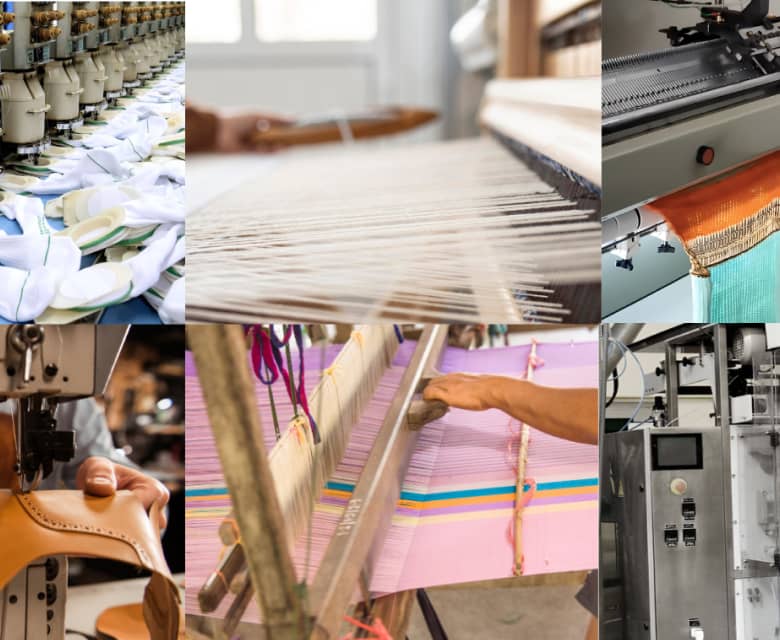
Textile and footwear plants typically run high-mix, high-volume operations with tight lead times and cost pressure. Most Common issues faced by textile and footwear plants are
RIBCON’s Lean Kaizen approach focuses on stabilising processes, creating flow, and building operator capability to deliver better quality at lower cost.
Re-designing weaving, knitting and stitching lines into flow cells, balancing work content to Takt, reducing walking, waiting and material handling.
Analysing beam, style, size, colour changeovers on looms, sizing, knitting machines, cutting lines to convert internal work to external and standardise steps.
Creating clear job breakdowns for loom CLI activities, helper work, knotting, doffing, setting and inspection to achieve consistent output and quality.
Cleaning, tagging, restoring equipment basic conditions on looms, sizing and winding machines, and establishing daily checks to reduce minor stops & breakdowns.
Using simple SPC and capability studies on sliver, yarn and beam weights to reduce variation and warp/weft breakages and to stabilise fabric quality.
Operator efficiency improvement
Increase in machine output per shift
Reduction in changeover time
Reduced breakdown and stoppage losses
Improved quality and reduced variation across the process

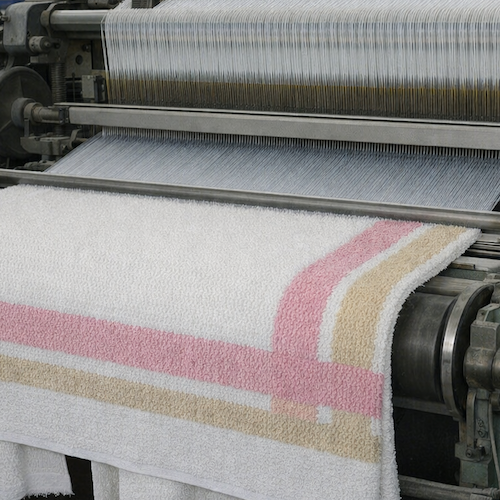
Towel plants often suffer from frequent style and colour changeovers on looms and processing machines, leading to high downtime and off-quality. Lean Kaizen stabilises preparatory parameters, standardises loom and finishing settings and attacks changeover losses through SMED. With simple standards for loom cleaning, knotting and doffing, teams improve loom utilisation, reduce rejections from weaving and finishing, and increase metres packed per shift.
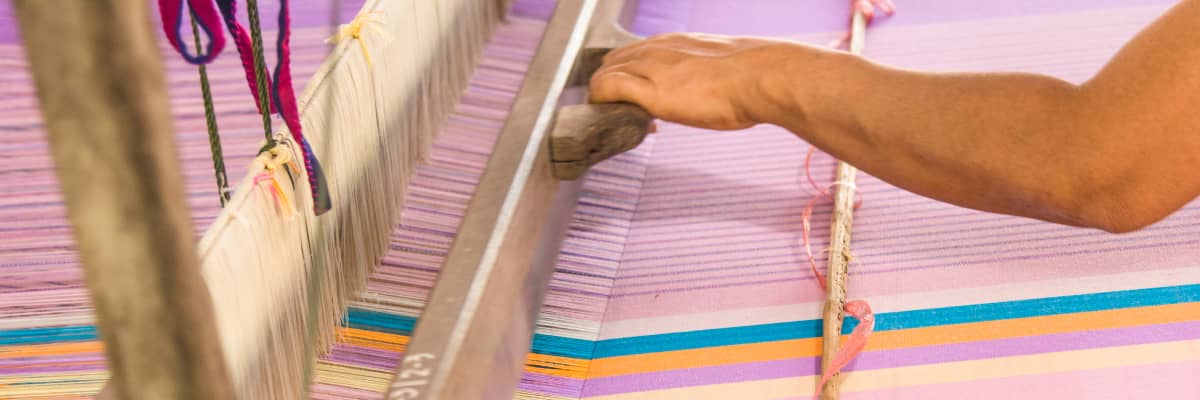
Bedsheet manufacturing requires tight control of fabric weight, width and shade, along with efficient cutting and stitching of multiple SKUs. Lean Kaizen uses SQC on sliver, yarn and beam weights, and SMED on sizing and style/size changeovers, to stabilise quality and increase loom and sizing output. Flow-based cutting and stitching cells, combined with standard work and skill development, improve on-time delivery and reduce rework and end-bit losses in cutting and hemming.
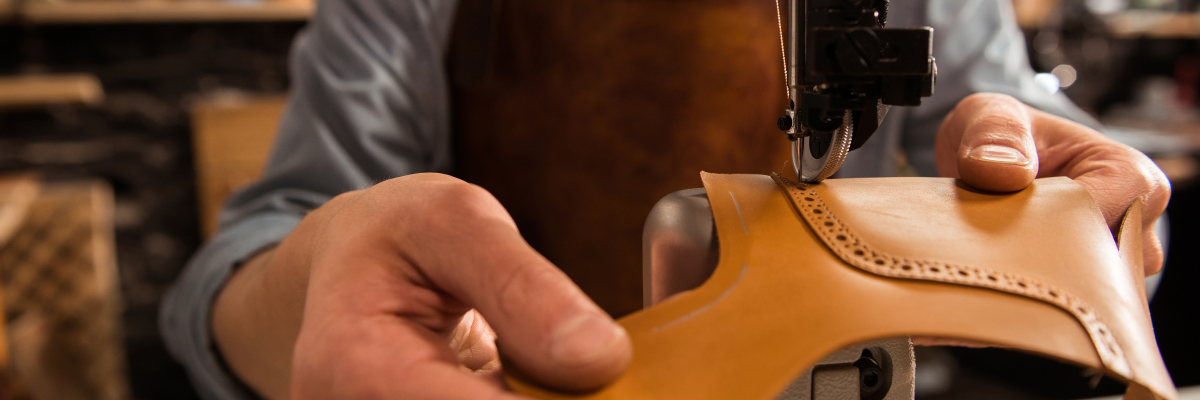
Footwear units typically face high WIP between cutting, stitching, lasting and finishing, along with quality issues from manual operations. Lean Kaizen introduces Flow cells linking cutting, stitching and assembly, with clear work standards for each operation and simple in-process quality checks. SMED on size and model changeovers, 5S in cutting dies and component stores, and visual production boards help reduce lead time, stabilise quality and raise pair-per-person productivity.
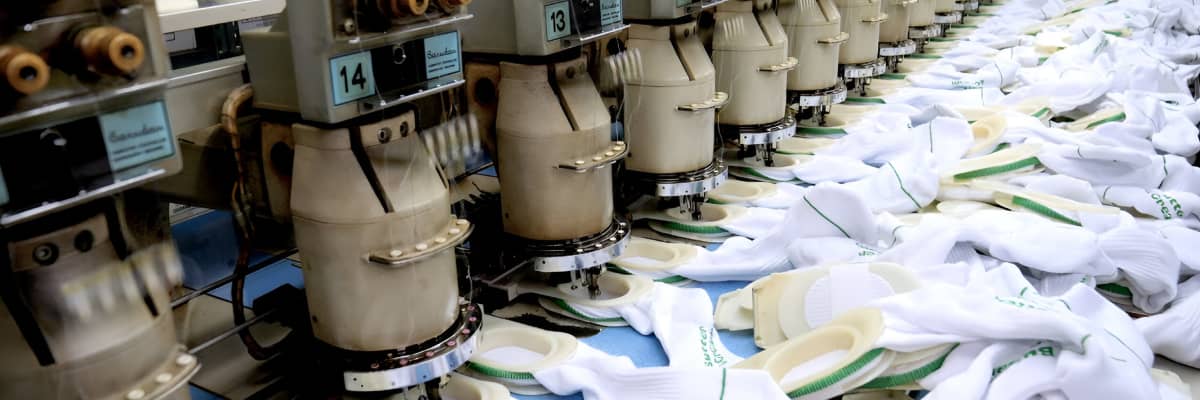
Sock-knitting operations struggle with frequent style changes, machine setting issues and off-quality due to yarn, tension and pattern problems. Lean Kaizen focuses on standard settings, SMED on pattern/size changes and TPM on knitting machines to cut minor stops and quality losses. With simple visual controls on yarn and setting parameters and better planning of style sequences, plants can increase good pairs per machine-hour and reduce mending and rejections.
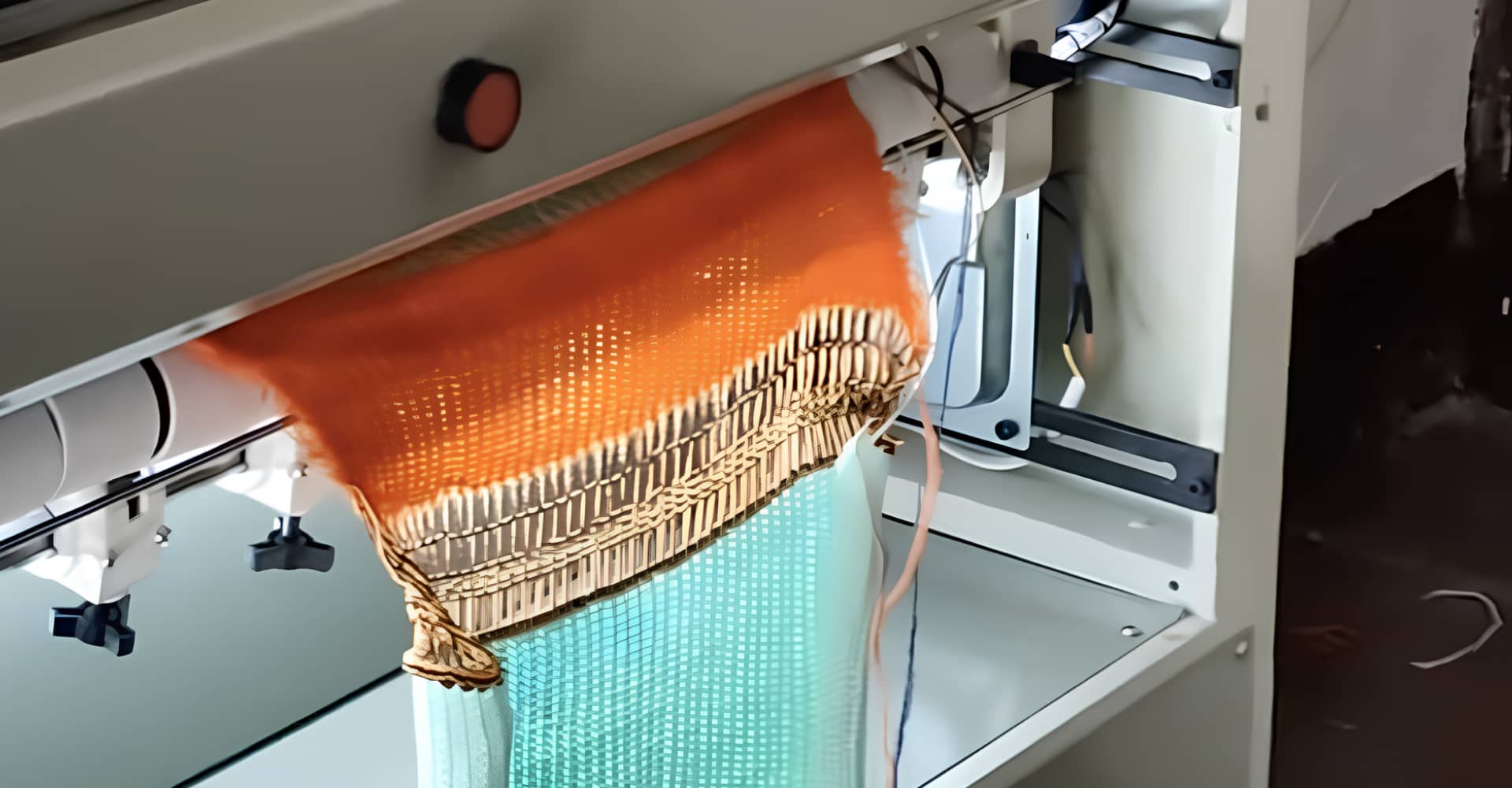
Sweater and knitwear factories often have imbalanced workloads between knitting, linking, washing and finishing, creating bottlenecks and pile-ups of semi-finished garments. Lean Kaizen improves planning and line balancing, implements standard work for linking and sewing, and applies 5S in knitting and accessory areas. This results in smoother flow from knitting to packing, shorter order lead times and lower rework and alteration levels, while making output less dependent on individual “star” operators.
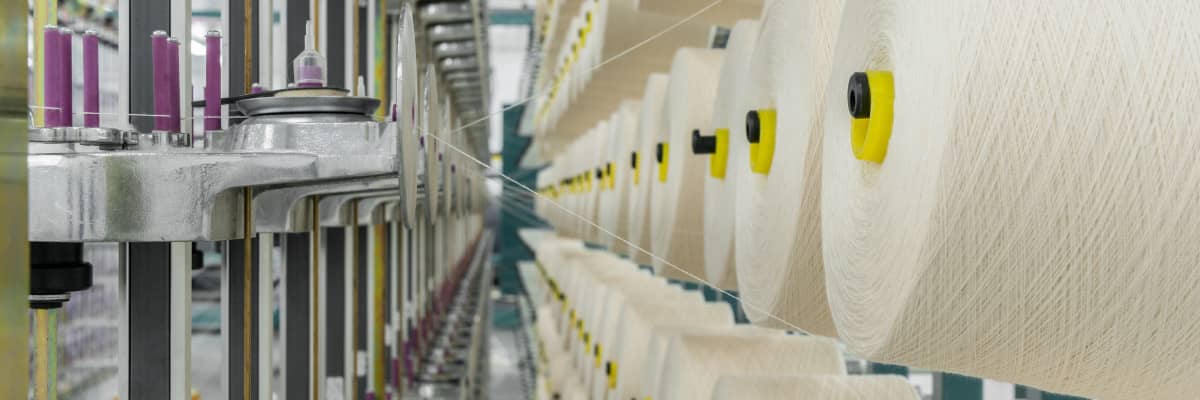
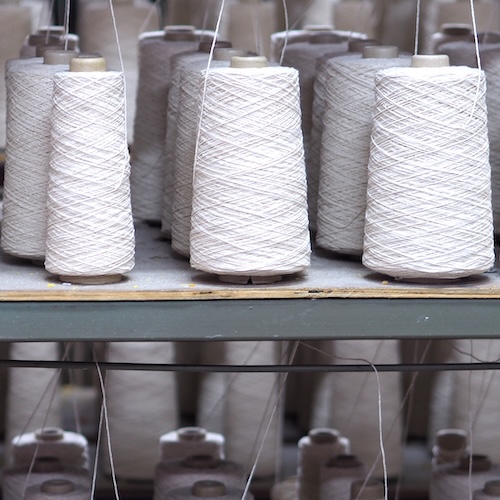
Yarn and preparatory sections are the backbone for all downstream towel, bedsheet and knitwear operations. Using SQC on morah, spreader and card weights, teams reduce variation and bring more samples within specification bands, lowering downstream breakages and stoppages. Lean Kaizen further standardises settings, introduces TPM on key machines and reduces changeover and cleaning time, leading to higher kg/shift and more stable yarn quality feeding weaving and knitting.





Trident Industries, India

Alpha Knit, Kenya

Action Shoes, India

Superhouse Shoes, India
By applying Lean Kaizen to layouts, SMED, TPM and SQC, RIBCON helps textile and footwear plants stabilise quality at the source, lift OEE and turn high-mix, high-volume operations into reliable, low-cost engines of growth.
With experience across diverse industries and challenges, we deliver unparalleled insights and solutions especially designed as per the needs. For more details, contact us today!